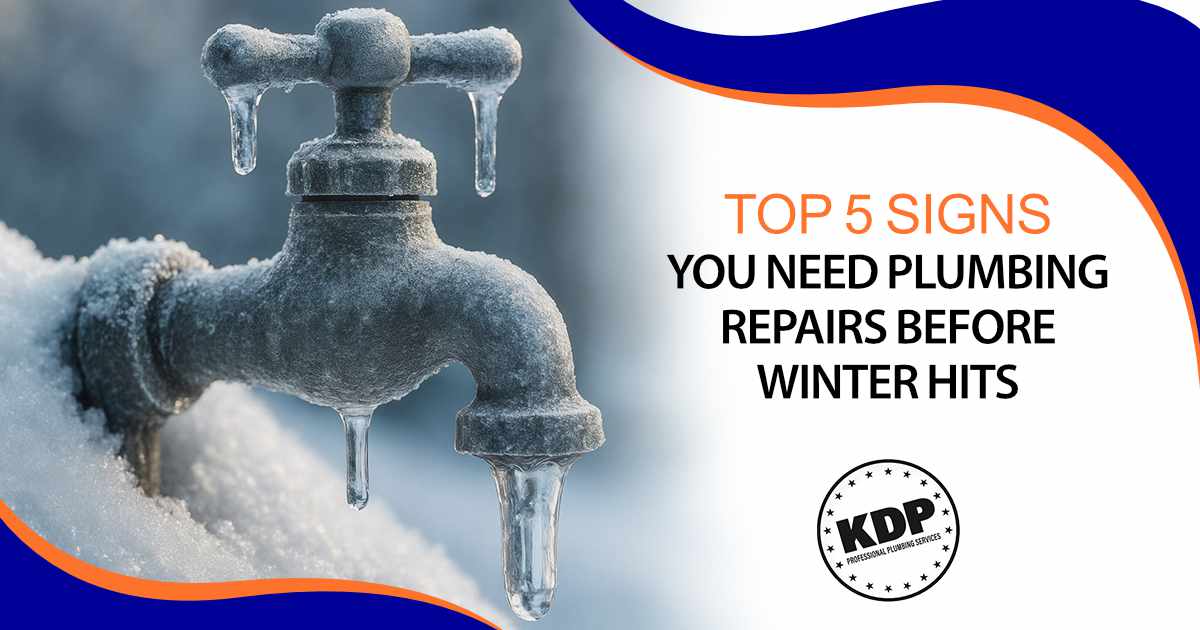
As winter approaches in North Texas, homeowners should take proactive steps to protect their plumbing systems. Cold temperatures, ice, and seasonal pressure changes can exacerbate existing issues, leading to costly repairs if left unaddressed. Scheduling plumbing repair North Texas services before winter ensures pipes, fixtures, and water systems remain in reliable condition throughout the colder months. Recognizing early warning signs can save homeowners both time and money while preventing potential water damage to their homes.
Why Homeowners in North Texas Should Prioritize Plumbing Repair Before Winter
The Impact of Cold Weather on Plumbing Systems
Winter weather in North Texas can place significant stress on residential plumbing systems. Pipes, valves, and fittings that function well during warmer months may become vulnerable when temperatures drop. Even minor leaks, small cracks, or weakened joints can quickly escalate into major problems if left unaddressed. As water freezes, it expands, which increases pressure inside pipes and can cause them to crack or burst. In addition, rapid temperature fluctuations and pressure changes in the plumbing system can accelerate wear and tear on valves, connections, and plumbing fixtures.
Homeowners should be aware of the ways cold weather can affect their plumbing:
- Pipe Freezing and Bursting: Water expands as it freezes, and even small cracks or weak spots in pipes can lead to sudden bursts during winter.
- Increased Pressure on Plumbing Fixtures: Cold spells can cause pressure fluctuations in the system, stressing valves, joints, and connections.
- Expansion of Existing Leaks: Minor leaks may worsen in winter, causing water damage to walls, floors, and ceilings.
- Appliance Strain: Water heaters, dishwashers, and washing machines may experience reduced efficiency or malfunctions under low temperatures and pressure changes.
- Hidden Damage Risks: Problems inside walls or under floors may go unnoticed until freezing temperatures reveal them, leading to expensive repairs.
By addressing potential issues before winter, homeowners can prevent emergencies, maintain reliable water flow, and protect their homes. Professional plumbing repair North Texas services provide thorough inspections and repairs to safeguard plumbing systems against seasonal stress.
Costly Consequences of Ignoring Minor Plumbing Issues
Neglecting small plumbing problems before winter can lead to major expenses. A single leak behind a wall or under a floor can result in water damage that requires structural repairs. Burst pipes can flood rooms, damage flooring, and ruin personal property. In addition, repairing winter-damaged plumbing often costs significantly more than addressing the problem early. Professional plumbing repair services in North Texas can identify and fix potential issues before they escalate, offering peace of mind and preventing seasonal disruptions.
1. Dripping Pipes: A Clear Warning Sign for Plumbing Repair in North Texas
How Drips Can Lead to Winter Pipe Bursts
Dripping pipes may seem minor, but they are often an early warning sign of underlying plumbing issues. Continuous leaks increase pressure fluctuations within the system, which can weaken pipe joints and fittings over time. In North Texas, where winter temperatures occasionally drop below freezing, water left in weakened pipes can expand as it freezes, leading to cracks or full pipe bursts. Addressing dripping pipes early with plumbing repair North Texas services helps prevent costly water damage during colder months.
Detecting Hidden Leaks Before Winter
Many leaks are not immediately noticeable. Leaks hidden behind walls, under floors, or beneath sinks can remain undetected until they result in serious damage. Homeowners may notice unusually high water bills or persistent damp spots as signs of concealed leaks. Monitoring water usage with a meter can also help pinpoint areas where water may be escaping. Licensed plumbers conduct comprehensive inspections to identify and repair both visible and hidden leaks, helping ensure that homes are safeguarded against plumbing problems during the winter months.
2. Strange Noises in Pipes: Indicate Urgent Plumbing Repair Needs
Common Noises Homeowners Might Hear
Strange noises in plumbing, such as banging, clanking, or gurgling sounds, are often more than just minor annoyances. These sounds can indicate water hammer, loose pipes, or pressure irregularities within the system. In many cases, the source of the noise is an early sign that pipes or fittings are under stress and may require plumbing repair in North Texas services to prevent more serious damage.
Why Noises Can Signal Bigger Winter Problems
During the winter months, pipes under stress are more vulnerable to freezing and bursting. Even minor vibrations or movements caused by temperature changes can worsen existing weaknesses in the plumbing system. Addressing these issues early can prevent emergency repairs, minimize water damage, and ensure that home water systems function efficiently throughout the colder season. Professional plumbers can diagnose the source of noises and provide targeted repairs to strengthen pipes before winter fully sets in.
3. Low Water Pressure: Sign of Plumbing Repair North Texas
Causes of Reduced Water Flow
Low water pressure is a common issue that often signals underlying plumbing problems. It can result from corroded pipes, sediment buildup, or partial blockages in the plumbing system. In North Texas homes, older plumbing or hard water deposits can gradually reduce flow, making showers, faucets, and appliances less efficient. Identifying the cause early allows for timely plumbing repair in North Texas services that restore normal water pressure.
Winter-Related Risks of Low Water Pressure
During colder months, low water pressure can increase the risk of frozen pipes. Reduced flow allows water to remain stagnant in certain areas, which makes freezing more likely. Appliances such as water heaters and washing machines also perform less efficiently under low pressure, potentially causing malfunctions or additional strain on the plumbing system. Addressing low water pressure before winter helps prevent costly repairs, ensures consistent water flow, and protects the home from seasonal plumbing emergencies.
4. Rust-Colored Water: A Warning You Can’t Ignore
Understanding the Causes of Discolored Water
Rust-colored water is a clear indication that plumbing components may be corroding. Aging pipes, particularly those made of iron or steel, can develop corrosion over time, which not only discolors the water but also weakens the structural integrity of the system. Homeowners may notice a metallic taste or reddish-brown stains in sinks, tubs, or appliances. Detecting these issues early is crucial, and professional plumbing repair North Texas services can identify the affected pipes and recommend appropriate solutions.
Winter Implications of Rusty Water
Corroded or rusted pipes are more susceptible to failures during winter. Freezing temperatures can exacerbate weaknesses, leading to pipe bursts or leaks that cause water damage. Additionally, rust particles can damage appliances like water heaters, dishwashers, and washing machines, reducing their lifespan and efficiency. Timely plumbing repairs prevent these issues and ensure safe, clean water flow throughout the colder months.
5. Slow Drains: Signal Hidden Plumbing Problems
Common Causes of Slow Drains
Slow drains are a frequent sign that plumbing systems are experiencing blockages or reduced efficiency. In many North Texas homes, the issue is often gradual, starting with minor clogs that worsen over time. As debris, grease, hair, soap scum, and other materials accumulate inside pipes, water flow becomes restricted, leading to sinks, tubs, and showers draining more slowly. Hard water in the region can exacerbate the problem by leaving mineral deposits that narrow pipe passages and further reduce efficiency. If left unaddressed, slow drains can lead to backups, foul odors, and even frozen pipes during winter months, which can result in costly repairs.
Homeowners should be aware of the most common causes of slow drains, including:
- Grease and Food Buildup: Kitchen sinks often accumulate grease, oil, and food particles that solidify inside pipes, gradually slowing drainage.
- Hair and Soap Residue: Bathroom drains collect hair and soap scum, which can combine to form stubborn clogs.
- Mineral Deposits: Hard water causes calcium and magnesium buildup, which narrows pipes over time and reduces water flow.
- Foreign Objects: Small items accidentally dropped into drains—such as jewelry, toothpaste caps, or small toys—can create partial blockages.
- Tree Roots: In older homes, invasive tree roots may infiltrate underground pipes, restricting flow and causing slow drainage.
Identifying the source of slow drains early is key to avoiding larger problems. Professional plumbing repair North Texas services can perform thorough inspections, remove blockages, and implement preventative solutions to ensure your drains remain clear and functional, even during the colder months.
Why Winter Can Make Slow Drains Worse
Cold temperatures can thicken grease and residue inside pipes, making blockages more severe during the winter months. Reduced water flow may increase the risk of frozen pipes or backups, potentially causing flooding or water damage. Addressing slow drains before winter ensures that water flows freely and reduces the likelihood of emergency plumbing issues when temperatures drop.
Schedule Professional Plumbing Repair Services Before Winter Arrives
Homeowners in North Texas can protect their homes from winter plumbing emergencies by scheduling inspections and repairs before the cold sets in. Early intervention addresses leaking pipes, low water pressure, rusty water, slow drains, and other warning signs before they escalate. Contact Knee Deep Plumbing for professional plumbing repair services at 940.206.1039 to ensure safe, reliable water systems and prevent costly damage. Don’t wait until winter—schedule your service today to keep your home’s plumbing in optimal condition.